
 4.9
4.9 4.6
4.6Travel to Southeast Asia
Omio Expands Horizons Across Southeast Asia
Omio is proud to announce new routes across six countries in Southeast Asia, making it easier than ever to connect across Thailand, Vietnam, Cambodia, Indonesia, Malaysia, and Singapore. Whether you're craving cultural treasures, island escapes, or thrilling city adventures, Omio now connects over 14,000 bus routes from more than 1,800 transportation providers. From the bustling airports of Bangkok and Singapore to epic train journeys through Vietnam and scenic bus rides across Malaysia, Southeast Asia promises unforgettable memories at every turn.
Where Adventure Begins
Discover ancient temples, lush jungles, golden beaches, and vibrant cities — your Southeast Asian journey starts here. Bus routes offer a scenic and affordable means to explore lush landscapes, vibrant cities, and coastal towns from Vietnam to Thailand. Book in your language and one platform, with Omio.

Travel to Thailand
Discover the Magic of Thailand
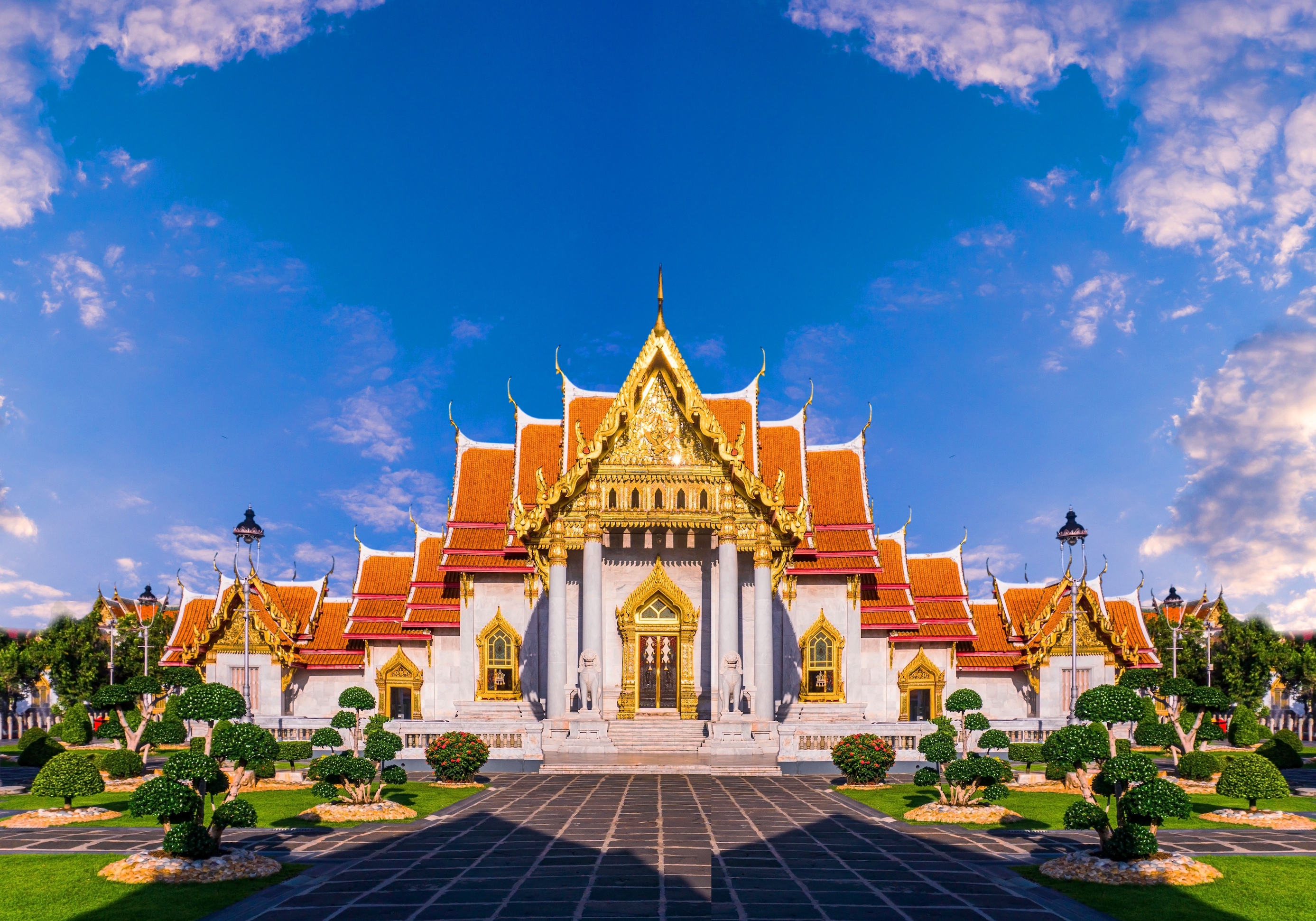
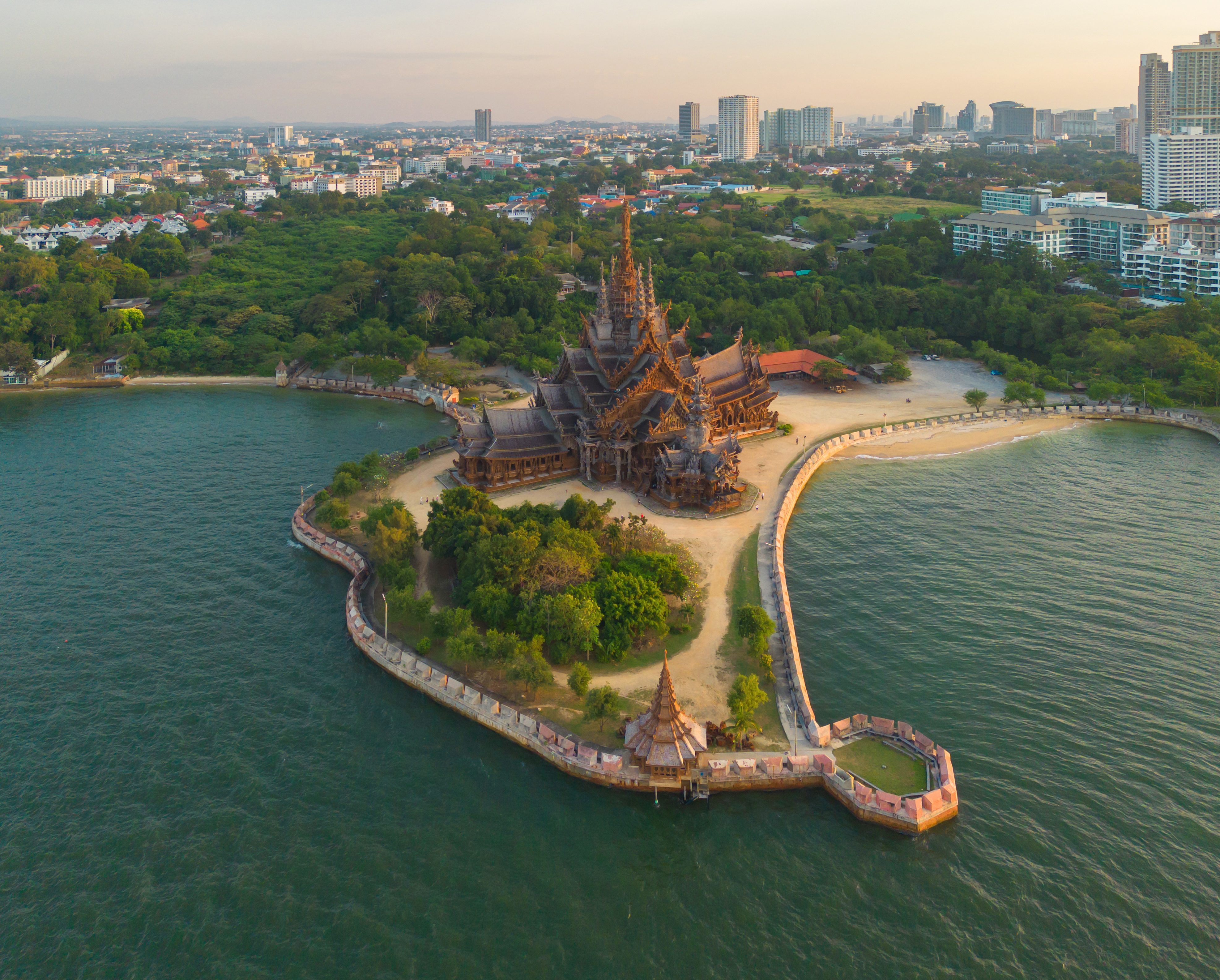
Golden temples, lively street markets, tropical islands, and ancient ruins — Thailand offers travelers an enchanting mix of culture, nature, and adventure. Wander the vibrant streets of Bangkok, discover the majestic temples of Ayutthaya, trek through the mountainous jungles of Chiang Mai, or unwind on the white-sand beaches of Phuket and Krabi. Thailand is a country where you can seamlessly blend adventure, relaxation, and tradition.
Flights to Thailand
Finding the cheapest and most convenient flights to Thailand is simple with Omio’s easy-to-use search platform. Thailand is home to 10 international airports, connecting major cities, islands, and cultural centers to the world. Omio gathers the best flight deals in and out of Thailand across one quick search, helping you save time and money.
Key Travel Hubs
- Suvarnabhumi Airport (BKK), Bangkok: Located about 25 kilometers east of central Bangkok, Suvarnabhumi is Thailand’s largest and busiest international airport, serving as a major hub for Southeast Asia travel.
- Phuket International Airport (HKT): Situated in the northern part of Phuket Island, this airport is ideal for travelers heading to the beaches of Patong, Karon, and Kata, or embarking on island-hopping adventures.
- Chiang Mai International Airport (CNX): Located just a few kilometers southwest of Chiang Mai's old city, this airport is the gateway to Northern Thailand’s rich culture, trekking trails, and vibrant night markets.
Buses in Thailand
Thailand shares land borders with Cambodia and Malaysia with many people exploring Southeast Asia across land. Buses in Thailand are a popular and affordable way to explore the country’s diverse landscapes and beyond. Whether you're traveling from Bangkok to the tranquil north or the tropical south, bus travel offers a scenic and comfortable alternative to flying. Chiang Mai to Bangkok bus services are among the most popular routes, providing a great opportunity to experience local scenery along the way.
Key Bus Hubs
- Bangkok Bus Terminal (Mo Chit): Located in the Chatuchak area of northern Bangkok, Mo Chit is the main hub for buses traveling to destinations in Northern Thailand such as Chiang Mai, Sukhothai, and Chiang Rai.
- Southern Bus Terminal (Sai Tai Mai), Bangkok: Situated on the Thonburi side of Bangkok, this terminal serves routes heading to southern destinations like Phuket, Krabi, and Hat Yai, perfect for beach and island lovers.
- Chiang Mai Arcade Bus Terminal: Found east of Chiang Mai's old town, Arcade Terminal is the city's main bus station, offering services to Bangkok, Nong Khai, and Udon Thani.
Trains in Thailand
Trains in Thailand offer a scenic way to travel long distances, weaving through countryside landscapes, ancient cities, and mountainous regions. Sleeper trains and daytime express services provide a comfortable and affordable way to see more of the country at a relaxed pace.
Key Train Routes and Stations
- Hua Lamphong Station, Bangkok: The historic heart of Thailand’s rail network, located in central Bangkok. From here, travelers can catch trains heading north to Chiang Mai, east to the Cambodian border, or south towards Malaysia.
- Chiang Mai Railway Station: Positioned just outside the city center, this station is the terminus of Thailand's northern line, offering stunning routes through lush mountains and historic towns.
- Ayutthaya Railway Station: Located near the ancient UNESCO World Heritage Site of Ayutthaya, this station is a popular stopover for travelers exploring Thailand’s rich royal history.
Travel Essentials
Thailand Visa Requirements
As of 2024, Thailand has expanded its visa-free entry policy to include citizens from 93 countries, allowing stays of up to 60 days without a visa. This makes it one of the most accessible destinations in Asia for tourists.
For travelers requiring a visa, Thailand offers an eVisa system, enabling applicants to obtain a 60-day tourist visa online. Additionally, a visa on arrival is available for citizens of 31 countries, permitting a 15-day stay.
Always check the latest visa requirements based on your nationality before traveling.
Best Time to Travel to Thailand
The best time to travel to Thailand is between November and early April, during the cool, dry season. Expect sunny skies, ideal beach weather, and comfortable temperatures — perfect for exploring cities and islands.



Travel to Vietnam
Explore the Spirit of Vietnam
Traveling in Vietnam is a journey through dramatic landscapes, vibrant cities, and rich history. From the limestone karsts of Ha Long Bay to the winding streets of Hanoi’s Old Quarter, Vietnam promises unforgettable adventures. Cruise along the Mekong Delta, wander the lantern-lit alleys of Hoi An, or trek through the misty hills of Sapa — every corner of the country offers something magical.
Flights to Vietnam
Flights to Vietnam are now easier to book than ever, with Omio offering a simple way to search and compare the best flight deals. Vietnam has 12 domestic and 10 international airports, connecting major cities and tourist hubs across the country and beyond. With seamless domestic and international connections, it’s a convenient gateway for Southeast Asia adventures. Book flights from anywhere around the world to Vietnam with Omio, and find the cheapest flight deals for your next adventure.
Key Travel Hubs
- Noi Bai International Airport (HAN), Hanoi – about 27 kilometers from Hanoi’s city center, this is the main airport for northern Vietnam, serving flights across Asia and the Middle East.
- Tan Son Nhat International Airport (SGN), Ho Chi Minh City: Located just 6 kilometers north of downtown, it’s Vietnam’s busiest airport and the primary hub for southern Vietnam.
- Da Nang International Airport (DAD): Right in the heart of Da Nang, this airport is the main gateway to central Vietnam, including nearby destinations like Hoi An and Hue.
Buses in Vietnam
Vietnam shares land borders with Cambodia, Laos and China, and a maritime border with Thailand. Bus travel in Vietnam is an affordable and scenic way to experience the country's diverse regions. From city-to-city express buses to local routes connecting small towns, buses provide flexible travel options across the country and beyond.
For easy planning, explore all the top bus routes for Buses in Vietnam with Omio.
Key Bus Hubs and Routes
- My Dinh Bus Station, Hanoi: Situated in western Hanoi, this major terminal connects the capital to many northern provinces, including buses from Hanoi to Dong Ha, a city near the former DMZ zone and gateway to the historic Vinh Moc Tunnels.
- Mien Dong Bus Station, Ho Chi Minh City: Located in the east of the city, this is the largest and busiest bus station in southern Vietnam. There are buses from Ho Chi Minh City to Dong Xoai, a town surrounded by rubber plantations in Binh Phuoc Province.
- Da Nang Central Bus Station: Positioned a few kilometers west of downtown Da Nang, this station offers routes along the central coast. Travelers can take buses from Da Nang to Cam Ranh, a peaceful coastal town south of Nha Trang, or buses from Da Nang to Hanoi for scenic long-distance trips.
Trains in Vietnam
Vietnam’s railway system, originally built during the late 19th century, remains a vital link between major cities. The network stretches more than 2,600 kilometers, primarily along the coast, connecting Hanoi in the north to Ho Chi Minh City in the south.
Passengers can choose between different classes, including hard seat, soft seat, and sleeper cabins (both air-conditioned and non-air-conditioned). Trains are a relaxed and scenic way to experience Vietnam’s countryside, especially on iconic routes like the north-south "Reunification Express."
Key Train Routes and Stations
- Hanoi Railway Station: Located in the center of Hanoi, this station is the starting point of the main north-south railway line.
- Da Nang Station: Conveniently located near the city center, this station is a key stop for travelers heading to Hue, Hoi An, and Vietnam’s central beaches.
- Saigon Station: Just a short taxi ride from downtown Ho Chi Minh City, Saigon Station is the southern terminus of the national railway.
Travel Essentials
Vietnam Visa Requirements
Vietnam offers a streamlined eVisa system, allowing citizens from all countries and territories to apply online for a single-entry or multiple-entry visa valid for up to 90 days. The eVisa costs $25 for single entry and $50 for multiple entries. Applications can be submitted through the Vietnam Immigration Department's official website.
Vietnam grants visa exemptions to citizens of several countries, including ASEAN member states. For instance, citizens of Japan, South Korea, and several European countries can enter Vietnam without a visa for up to 45 days.
Always verify the latest visa requirements based on your nationality before traveling.
Best Time to Travel to Vietnam
The best time to travel to Vietnam depends on the region. Northern Vietnam is ideal from October to April with cooler, dry weather. Southern Vietnam shines between November and March with warm, dry conditions. Central Vietnam is best from February to August, offering sun-drenched beaches and historic cities.
Travel to Cambodia
Discover the Wonders of Cambodia
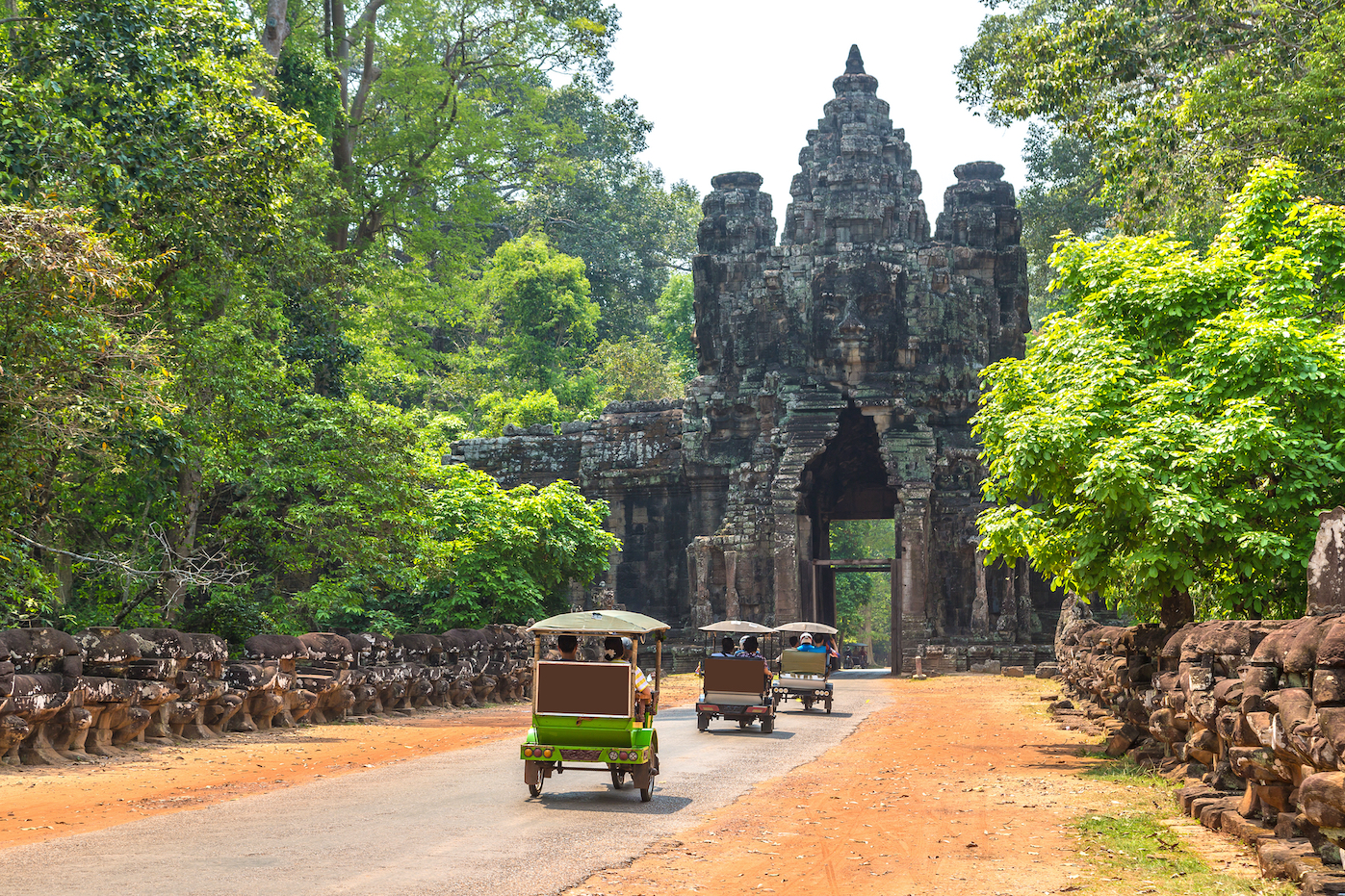
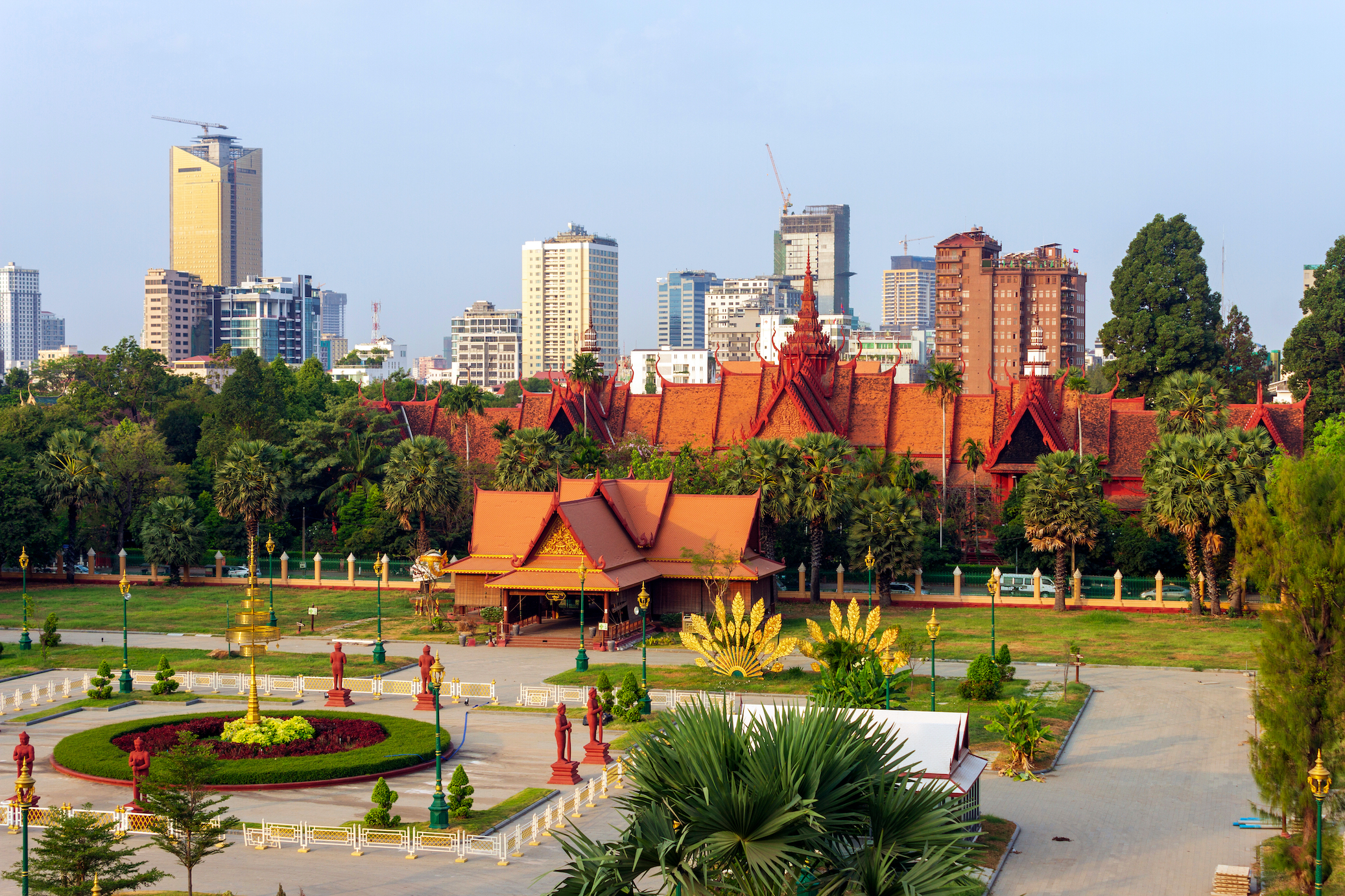
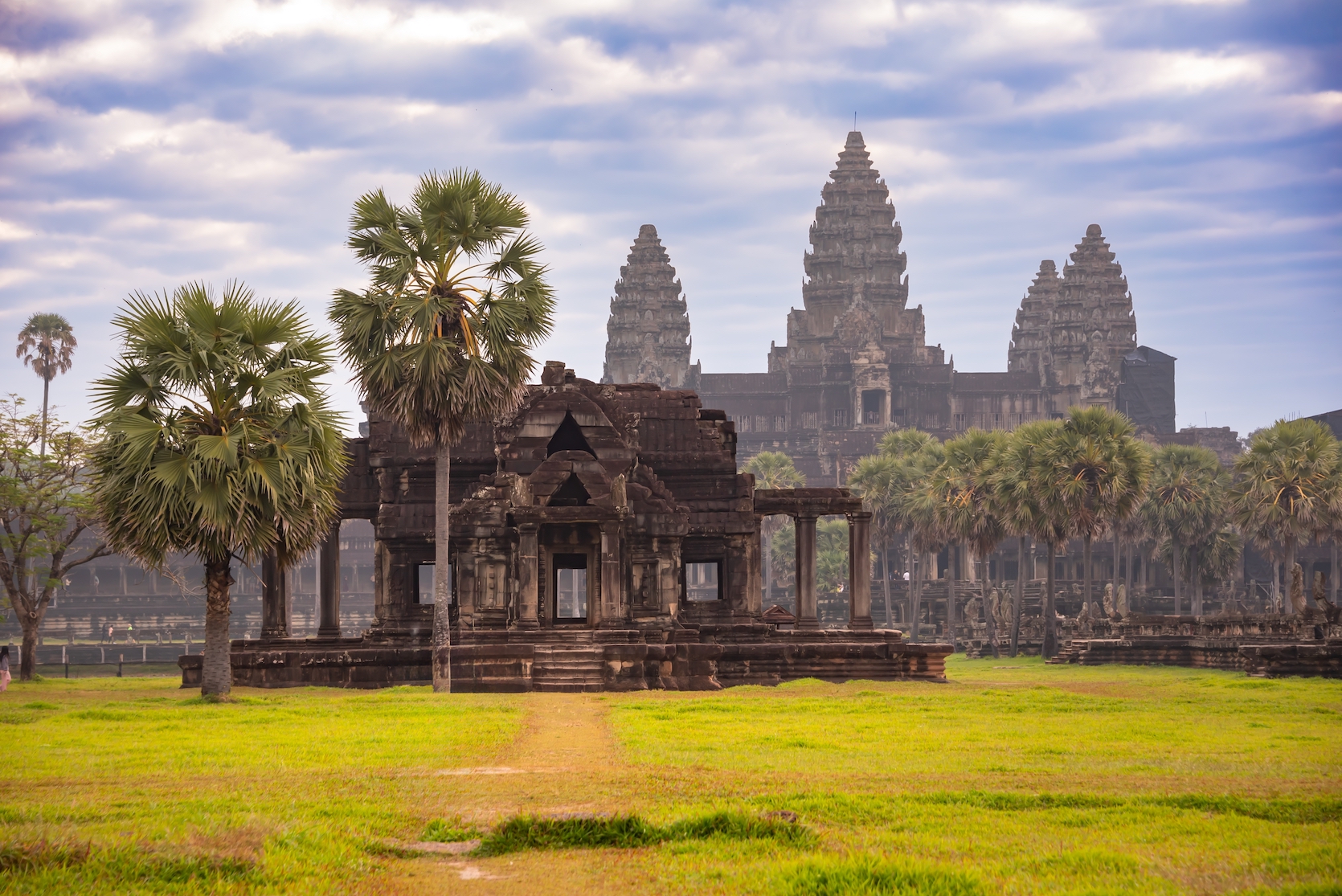
Marvel at the legendary Angkor Wat in Siem Reap, wander the riverside streets of Phnom Penh, relax in the town of Battambang, or unwind along the tranquil beaches of Koh Rong. From the misty mountains of Mondulkiri to the charming riverside town of Kampot, Cambodia offers a powerful blend of history, adventure, and breathtaking scenery. The country shares land borders with Thailand, Laos, and Vietnam, making it a crossroads for travel across Southeast Asia.
Flights to Cambodia
Wherever you are in the world, finding flights to Cambodia is easy with Omio’s easy search tool. Omio gathers the best flight deals to Cambodia’s top destinations in one place, saving you time and money. Cambodia has three main commercial airports—Phnom Penh, Siem Reap, and Sihanoukville—connecting the country with the rest of Southeast Asia and beyond.
Key Travel Hubs
- Phnom Penh International Airport (PNH) – Located 10 kilometers west of Phnom Penh’s city center, this airport is Cambodia’s main international hub, serving flights across Asia and the Middle East.
- New Siem Reap-Angkor International Airport (SAI): is 45 kilometers east of Siem Reap, this airport provides easy access to the world-famous Angkor temples and the surrounding countryside.
- Sihanoukville International Airport (KOS) – Positioned near the coast, this airport is the gateway to Cambodia’s growing number of beach resorts and tropical islands like Koh Rong.
Buses in Cambodia
Buses are an essential part of traveling in Cambodia, offering an affordable and scenic way to move between cities and countryside. Modern coaches and tourist buses connect Phnom Penh, Siem Reap, Sihanoukville, and other popular areas. Explore your options for Buses in Cambodia to travel easily around the country.
Key Bus Hubs and Routes
Phnom Penh Night Market Station: Centrally located in Phnom Penh’s downtown, this major hub offers services across Cambodia and beyond. Buses from Phnom Penh to Ho Chi Minh City connect travelers to Vietnam’s largest city. Buses from Phnom Penh to Krong Ta Khmau reach a charming riverside town just south of the capital. International services include buses from Phnom Penh to Bangkok and Na Phra Lan in Thailand.
Siem Reap Bus Station: Located just outside Siem Reap, this station is perfect for exploring northern Cambodia. Buses from Siem Reap to Sisophon lead to a major crossroads in western Cambodia. Buses from Siem Reap to Phnom Penh make it easy to move between the two largest tourist cities. Cross-border options include buses from Siem Reap to Pattaya and buses from Siem Reap to Preah Sihanouk.
Trains in Cambodia
Cambodia’s railway system is very limited and can be slower than buses. There are no cross-border train to neighbouring countries, but there are weekend with only infrequent d services between Phnom Penh and Sihanoukville, and Phnom Pen to Battambang.
Travel Essentials
Cambodia Visa Requirements
Most travelers need a visa to enter Cambodia. Tourist visas are available online as an eVisa before arrival, or you can obtain a visa on arrival at airports and most major land border crossings.
The standard tourist visa allows a stay of up to 30 days and can usually be extended once for an additional 30 days. Passport holders from ASEAN countries such as Thailand, Vietnam, and Laos may be eligible for visa-free entry.
Always check the latest Cambodia visa requirements based on your nationality before you travel.
Best Time to Travel to Cambodia
The best time to travel to Cambodia is between November and April during the dry season. These months bring bright blue skies, cooler temperatures, and ideal conditions for visiting Angkor Wat, exploring Phnom Penh, or relaxing on Cambodia’s beaches and islands.


Travel to Indonesia
Embrace the Spirit of Indonesia
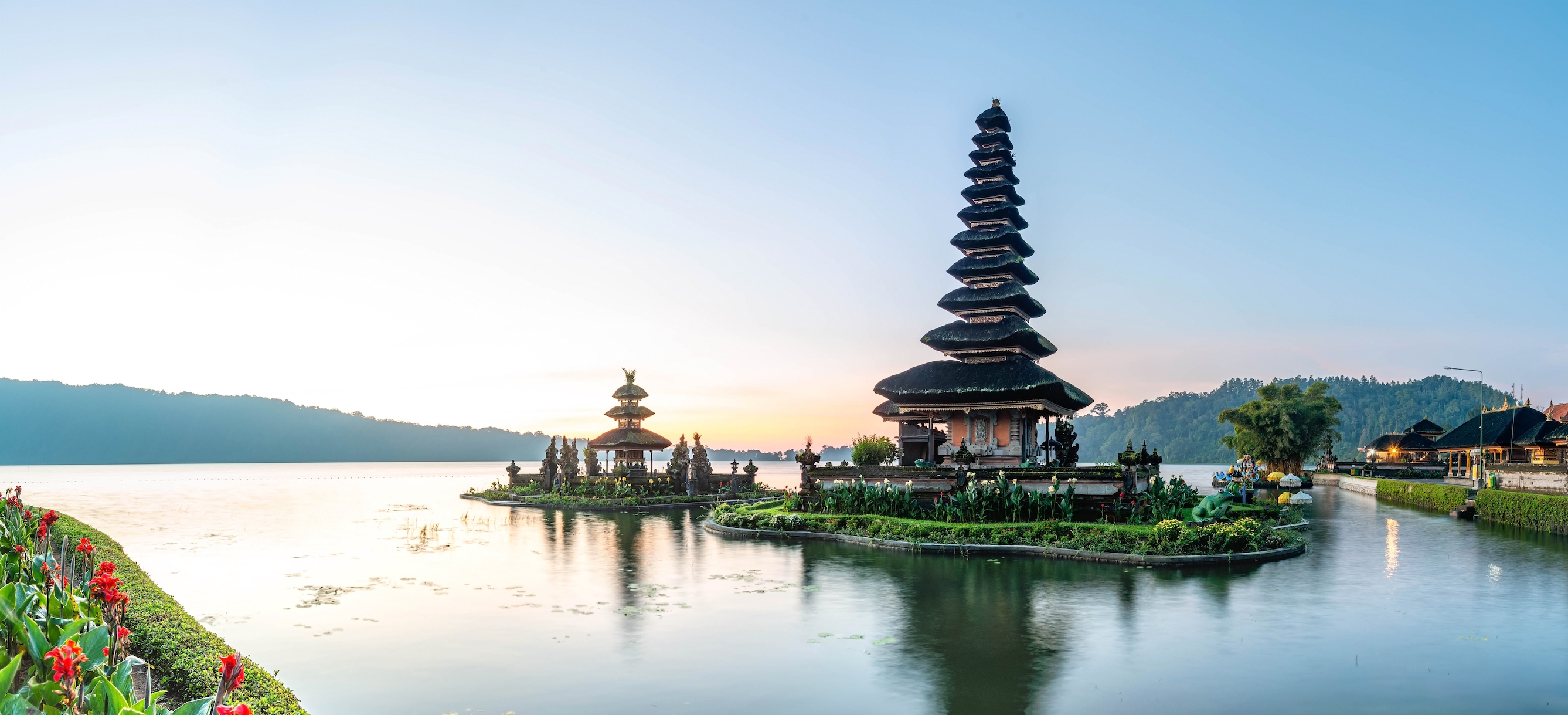
Indonesia is a vast archipelago of more than 17,000 islands dotted with smoldering volcanoes, ancient temples, lush rainforests, and pristine beaches. From the spiritual heart of Bali to the wild jungles of Sumatra and the vibrant energy of Jakarta, Indonesia offers endless opportunities for adventure and discovery. Discover some of the best destinations and routes in Indonesia with Omio.
Flights to Indonesia
Flights to Indonesia connect travelers to one of the world's most breathtaking destinations. Omio’s platform lets you easily search and compare the best flight deals across Indonesia’s top cities and tropical islands, all in one place. Indonesia has 17 international airports, of which around 15 are international airports. Major international flights arrive from Europe, the United States, Australia, and other parts of Asia. Soekarno-Hatta International Airport (CGK) in Jakarta is the largest and busiest international airport, serving as the main hub for global travelers.
Key Travel Hubs
- Soekarno-Hatta International Airport (CGK), Jakarta: Located about 20 kilometers west of Jakarta’s city center, it connects Indonesia to major cities across Asia, the Middle East, Europe, and the U.S.
- Ngurah Rai International Airport (DPS), Bali: Just south of Denpasar, Bali’s airport is the main entry point for beach lovers, surfers, and cultural seekers.
- Juanda International Airport (SUB), Surabaya: Serving East Java, this airport connects Surabaya with regional and international destinations.
Buses in Indonesia
Buses in Indonesia offer a convenient and affordable way to explore its largest islands such as Java, Sumatra, and Bali. Long-distance coaches, shuttle buses, and local minibuses (angkot) make it easy to travel between cities, towns, and major attractions. Indonesia also offers cross-border bus connections into Timor-Leste, and ferry-and-bus links connecting to Malaysia from Sumatra via ferry crossings. Plan your journey with Bus in Indonesia for seamless travel across the archipelago and Southeast Asia.
Key Bus Hubs and Routes
- Pulo Gebang Terminal, Jakarta: Southeast Asia’s largest bus terminal, located in East Jakarta. Popular routes include buses from Jakarta to Lasem, a historic coastal town, and buses from Jakarta to Cirebon, known for its batik craftsmanship.
- Bungurasih Terminal, Surabaya: Located near Surabaya in East Java. A popular route is from Surabaya to Kediri, an ancient capital of Java.
- Ubung Terminal, Denpasar, Bali: Bali’s main intercity terminal. Includes buses from Denpasar to Kuta Selatan and buses from Denpasar to Waru.
Trains in Indonesia
Indonesia’s railways primarily cover the island of Java, linking major cities such as Jakarta, Yogyakarta, and Surabaya. Trains offer economy, business, and executive classes, with comfort levels ranging from budget seats to air-conditioned private cabins. High-speed routes like the Jakarta–Bandung line make travel faster and more modern.
Key Train Routes and Stations
- Gambir Station, Jakarta: Primary station for eastbound trains from the capital.
- Yogyakarta Station: Centrally located for access to cultural landmarks like Borobudur.
- Surabaya Gubeng Station: Main hub in East Java for travel across the island.
Travel Essentials
Indonesia Visa Requirements
Most travelers from the US, EU, UK, Australia, and many other countries can enter Indonesia with a Visa on Arrival (VOA) for up to 30 days, extendable once. An e-VOA can also be applied for online before arrival. Always verify the latest entry rules for your nationality.
Best Time to Travel to Indonesia
The dry season from May to September offers the best weather for travel — sunny days and minimal rain, perfect for outdoor adventure, sightseeing, and island hopping.
Travel to Malaysia
Explore the Diversity of Malaysia
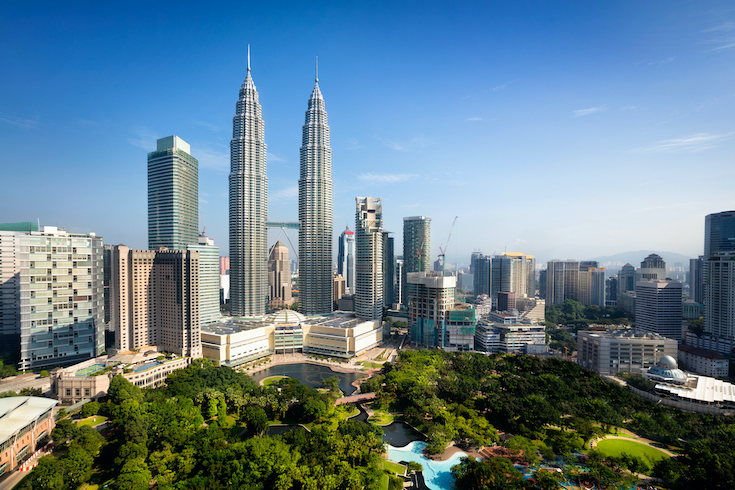
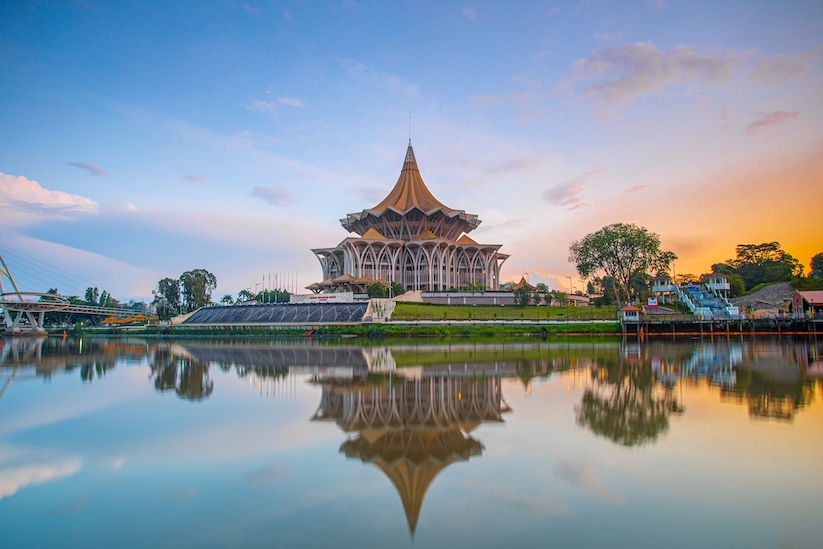
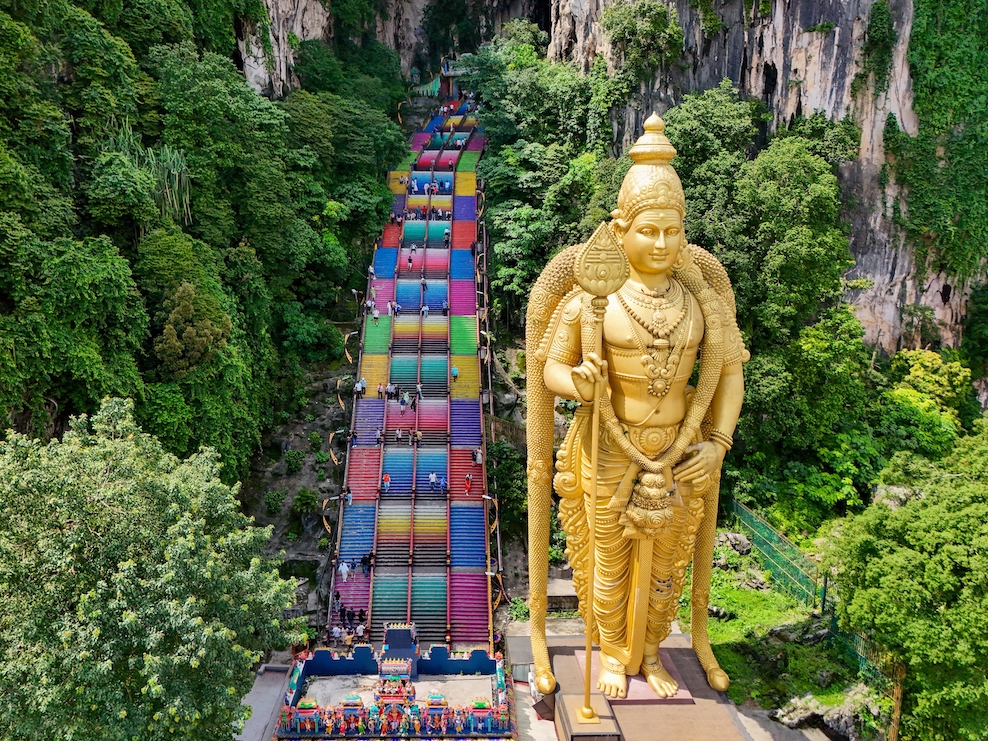
Malaysia, located partly on the Asian mainland and partly on the island of Borneo, is a vibrant nation where cultural diversity meets natural beauty. Bordered by the South China Sea and the Indian Ocean, Malaysia offers travelers a captivating mix of bustling cities, ancient rainforests, tropical islands, and traditional villages. From the iconic Petronas Towers of Kuala Lumpur to the coral reefs of Sabah, Malaysia is a country of endless contrasts and discoveries.
Flights to Malaysia
Malaysia has 6 international airports offering direct connections to Europe, the United States, Australia, and across Asia. Kuala Lumpur International Airport (KUL) is the largest and busiest, serving as a major Southeast Asian gateway for global travelers. Discover the cheapest flights to Malaysia with Omio’s easy-to-use app. Compare the best flight deals to Malaysia’s top cities all in one place and book in the currency of your choice.
Key Travel Hubs
- Kuala Lumpur International Airport (KUL): Located about 45 kilometers south of Kuala Lumpur’s city center, KLIA is Malaysia’s main international airport, with two terminals offering connections worldwide.
- Penang International Airport (PEN): Situated near George Town on Penang Island, this airport links northern Malaysia with regional Asian destinations.
- Kota Kinabalu International Airport (BKI): Found in Sabah, Borneo, this airport provides access to adventure hotspots like Mount Kinabalu and the coral reefs of the South China Sea.
Buses in Malaysia
Buses in Malaysia are a fast, comfortable, and budget-friendly way to travel across the country's modern highway network. Intercity coaches link cities, towns, and rural regions on the peninsula, while ferry-and-bus routes extend into Malaysian Borneo. Malaysia also offers cross-border bus services into Singapore and southern Thailand. Plan your journey with Bus in Malaysia for effortless connections across Southeast Asia.
Key Bus Hubs and Routes
- Terminal Bersepadu Selatan (TBS), Kuala Lumpur: Located in the Bandar Tasik Selatan area, about 10 kilometers south of central Kuala Lumpur, TBS is the capital’s main long-distance bus hub. Popular routes include buses from Kuala Lumpur to Ipoh and buses from Kuala Lumpur to Malacca, connecting travelers to key destinations across Malaysia.
- Sungai Nibong Terminal, Penang: Located about 11 kilometers south of George Town, Sungai Nibong is Penang’s main intercity bus terminal, offering routes to Kuala Lumpur, northern Malaysia, and onward into Thailand.
- Larkin Sentral, Johor Bahru: Situated about 5 kilometers northwest of Johor Bahru city center, this major hub serves buses into Singapore and throughout southern Malaysia. Options include buses from Johor Bahru to Mersing and buses from Johor Bahru to Singapore.
Trains in Malaysia
Malaysia’s railway network offers scenic and efficient connections between the country's major cities and rural areas. The ETS (Electric Train Service) provides high-speed links between Kuala Lumpur, Ipoh, Penang, and Padang Besar (on the Thai border), while KTM Intercity trains offer slower, scenic routes through central and eastern Malaysia. Travelers can choose from economy seats, business class, or overnight sleeper berths.
Key Train Routes and Stations
- KL Sentral Station, Kuala Lumpur: Malaysia’s largest transportation hub, connecting ETS high-speed trains, KTM commuter lines, and the airport express.
- Butterworth Station, Penang: Located near George Town, Butterworth Station links the northern coast to Kuala Lumpur and Thailand’s rail network.
- Gemas Station: Found in Negeri Sembilan, Gemas serves as the key interchange between Malaysia’s north-south and east coast railway lines.
Travel Essentials
Malaysia Visa Requirements
Citizens of the United States, European Union, United Kingdom, Australia, Canada, New Zealand, Japan, and many other countries can enter Malaysia visa-free for up to 90 days for tourism purposes, whether arriving by land, sea, or air.
Travelers must hold a passport valid for at least six months and may be asked to show proof of onward travel. If you plan to stay longer than 90 days, or if your nationality requires a visa, you must apply in advance at a Malaysian embassy or consulate.
Always check the latest Malaysia visa requirements based on your nationality before traveling.
Best Time to Travel to Malaysia
The best time to travel to Malaysia is from December to April for the west coast regions (Kuala Lumpur, Penang, Langkawi), when the weather is drier and cooler. For east coast destinations like Tioman Island and the Perhentian Islands, March to September offers the best weather for beaches and diving.
Travel to Singapore
Singapore: The Crossroads of Southeast Asia
Singapore, located at the southern tip of the Malay Peninsula, is a dynamic city-state bordered by Malaysia to the north and close to Indonesia to the south. A thriving international gateway for business travelers and holiday-makers alike, Singapore connects Southeast Asia to the world with its world-class airport and excellent transport infrastructure.
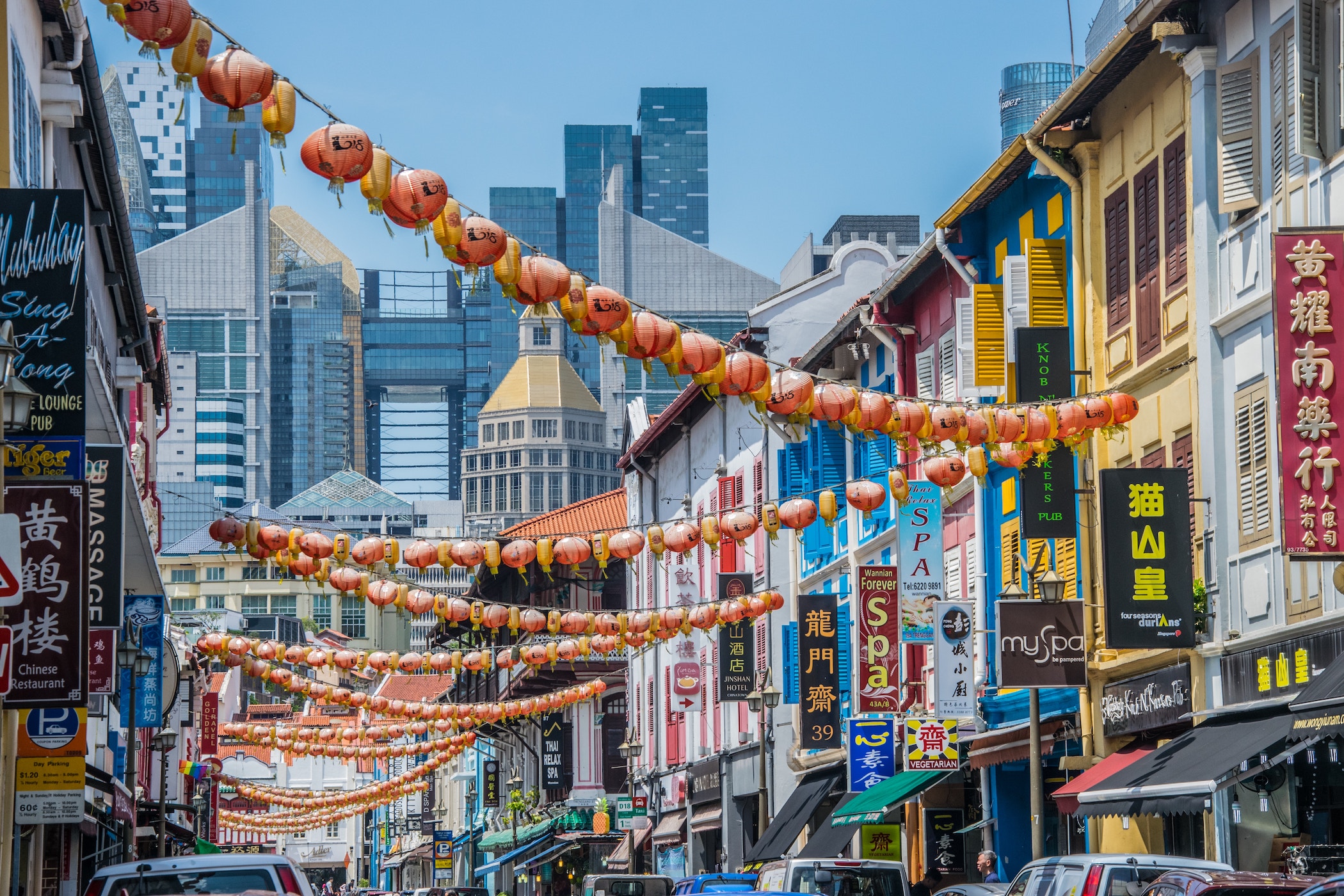
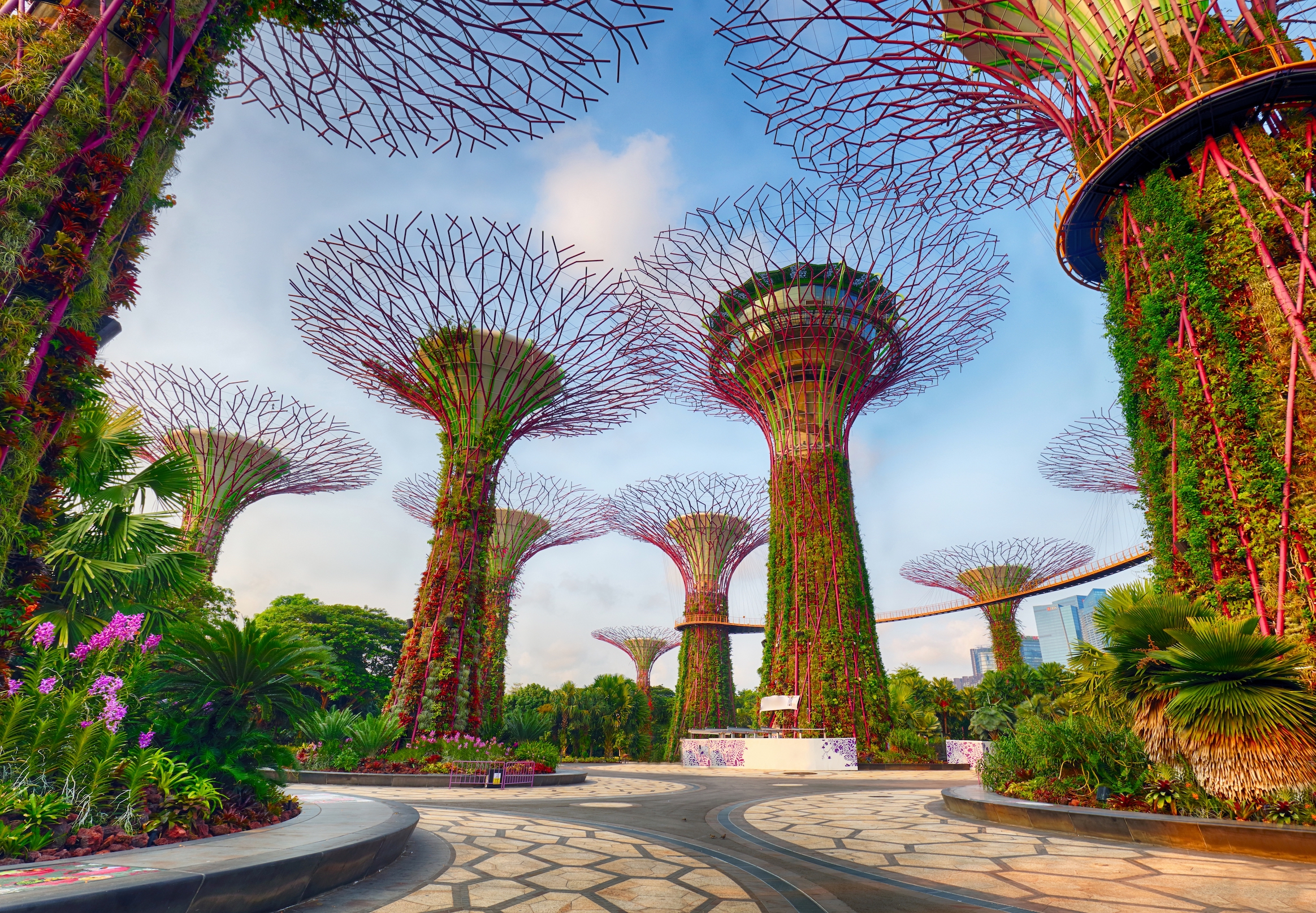
Known for its multicultural heritage, stunning modern architecture, tropical gardens, and historic neighborhoods, Singapore dazzles with iconic sights like Marina Bay Sands, Gardens by the Bay, Chinatown, and Sentosa Island. Compact yet endlessly vibrant, it’s a perfect starting point for exploring Southeast Asia.
Flights to Singapore
Singapore Changi Airport (SIN) is the country's main gateway, consistently ranked among the world's best airports. It connects travelers to over 400 destinations worldwide with efficient transport links into the city. Omio offers cheap flights to Singapore with seamless connections from Europe, the United States, Australia, and across Asia. Omio’s platform makes it simple to compare the best flight deals in one place.
Key Travel Hub
- Singapore Changi Airport (SIN): Located about 20 kilometers east of downtown, Changi Airport offers a range of attractions like the Jewel indoor waterfall, lush gardens, and shopping, plus easy MRT and bus connections into Singapore’s city center.
Buses in Singapore
Sitting directly north of Malaysia, Singapore offers plenty of cross-border bus routes connecting travelers to cities across the border. Cross-border buses link Singapore with Kuala Lumpur, Malacca, and Johor Bahru in Malaysia, making it an ideal transit point for those continuing their Southeast Asia journey. Within the city, Singapore’s modern bus system provides extensive coverage of all major neighborhoods, tourist areas, and shopping districts. Find and book options for buses in Singapore easily with Omio.
Key Bus Hubs and Routes
- Queen Street Bus Terminal: Located near Bugis, this terminal serves frequent buses to and from Johor Bahru. Also includes buses from Kuala Lumpur to Singapore and buses from Hat Yai to Singapore.
Trains in Singapore
Singapore’s MRT (Mass Rapid Transit) system is one of the most advanced rail networks in Asia, connecting all parts of the island. MRT trains are clean, fast, air-conditioned, and ideal for reaching key sights like Orchard Road, Chinatown, Little India, Marina Bay, and the airport. For travelers heading into Malaysia, the Woodlands Train Checkpoint connects Singapore with Johor Bahru and Malaysia’s rail network.
Key Train Stations and Lines
- Dhoby Ghaut MRT Station: A major downtown interchange connecting the North-South, North-East, and Circle lines.
- City Hall MRT Station: Ideally situated for visiting Marina Bay, Raffles Place, and historic sites.
- Changi Airport MRT Station: Direct service to central Singapore for arriving and departing travelers.
Travel Essentials
Singapore Visa Requirements
Citizens from the United States, European Union, United Kingdom, Australia, and many other countries can enter Singapore visa-free for short stays of up to 30 or 90 days, depending on nationality. Travelers must have a passport valid for at least six months and may be asked for proof of onward travel or sufficient funds. Always check the latest Singapore visa requirements before traveling.
Best Time to Travel to Singapore
Singapore is a year-round destination with consistently warm temperatures and occasional tropical showers. The best time to visit is generally between February and April, when rainfall is slightly lower and outdoor festivals, events, and sightseeing are at their peak.
FAQ: Southeast Asia Travel
Omio accepts a wide range of currencies, allowing you to pay in the currency that suits you best.
You can view prices in USD, EUR, GBP, AUD, and many others.
You can book your tickets on Omio in multiple languages including English, German, Spanish, French, Italian, Dutch, Portuguese, and more.
The platform adapts based on your preferences for a smooth booking experience.
Yes! Most tickets booked through Omio are electronic (e-tickets).
After purchasing, you’ll receive your ticket by email or you can access it in the Omio app. Just show your e-ticket on your device when boarding.
Cancellation and change policies depend on the transport provider you book with.
- Some tickets (especially flights and trains) may be non-refundable
- Others offer flexible options
- Check the terms during booking and manage your changes in your Omio account or app
Still have questions? Visit Omio for help or to explore travel options across Southeast Asia.